Steel Tied Banner

Refuge

Cement‑ready homes.

Built from a crane‑set form.

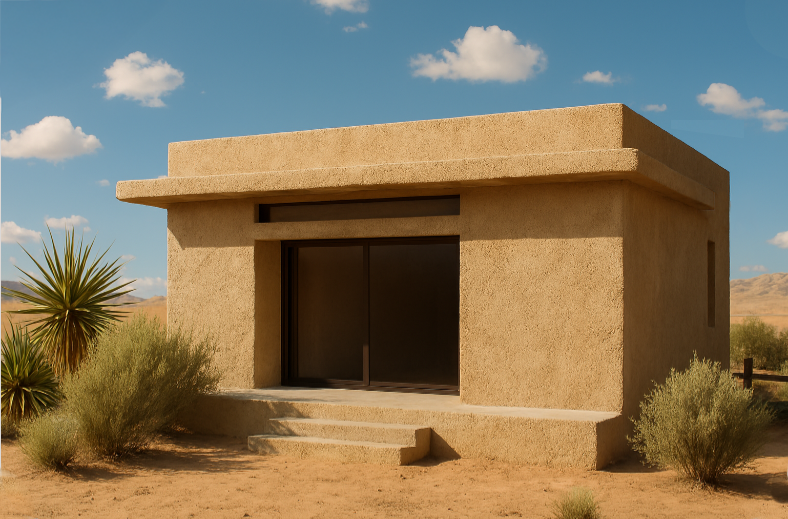
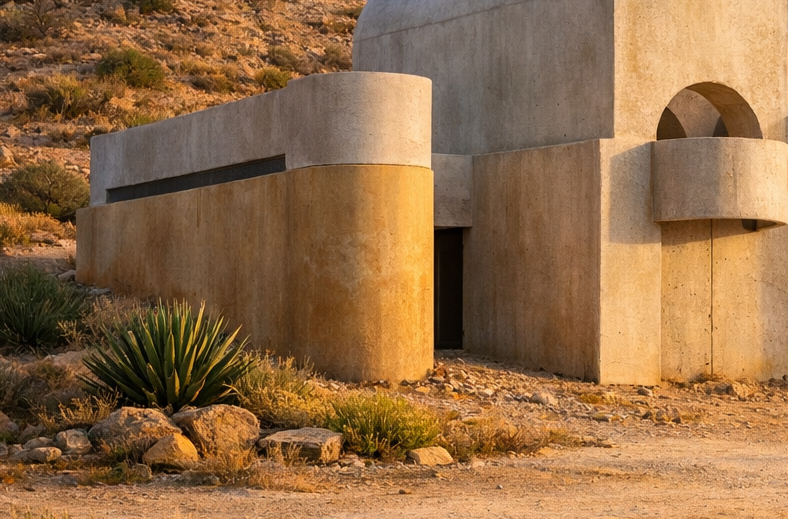
The Refuge shell arrives as a crane‑set form, ready for a troweled concrete finish. From there, the builder you hire completes the remaining structure, systems, and interior to create the finished home.

See Refuge Models

Safe & Sound Casita Systems

Backyard ADUs built stronger

for families who want true shelter.

Pre‑engineered casitas designed for clean installs, predictable timelines, and the strength that your home should have offered from the start.

Refuge

One geometric language.

Different models.

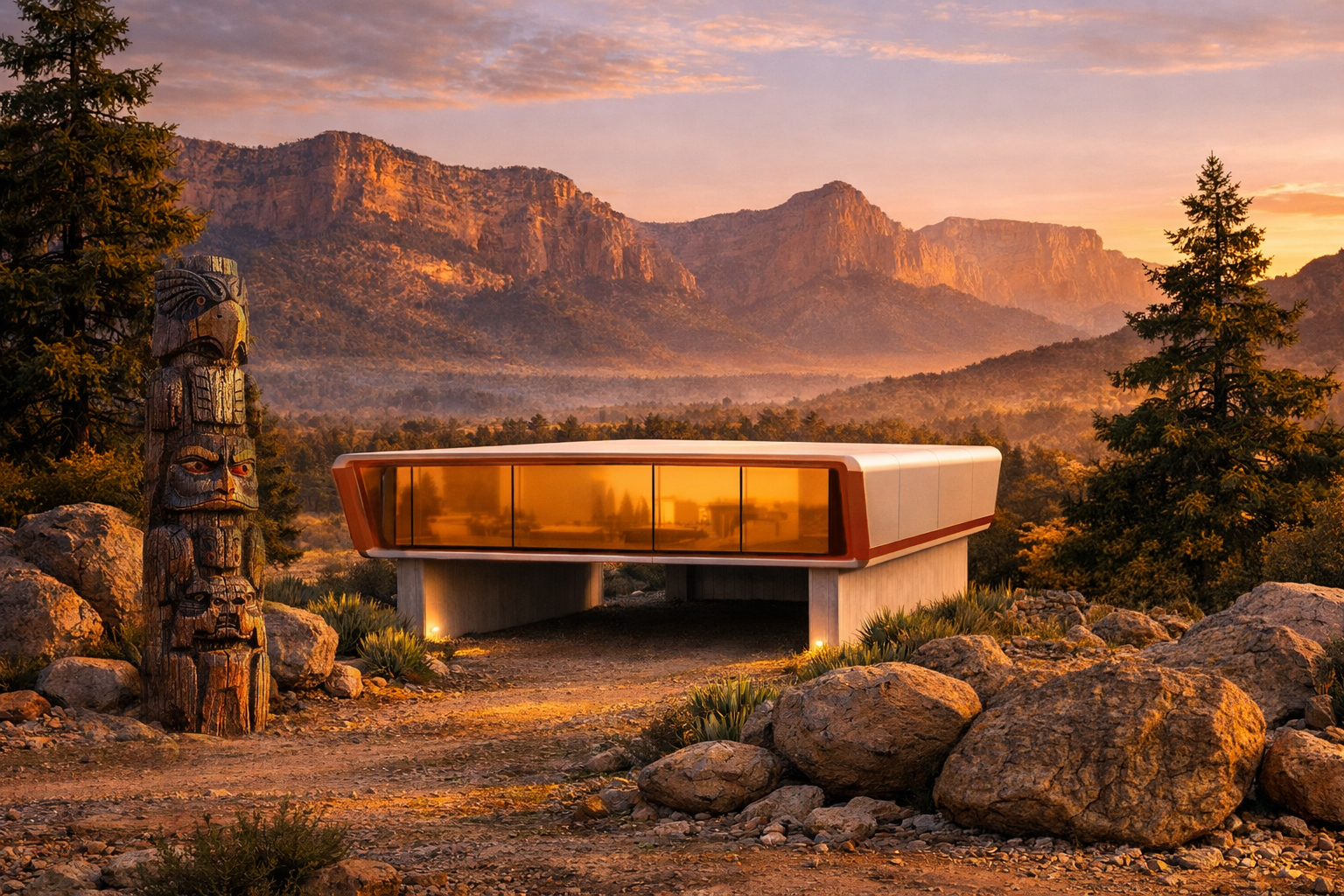
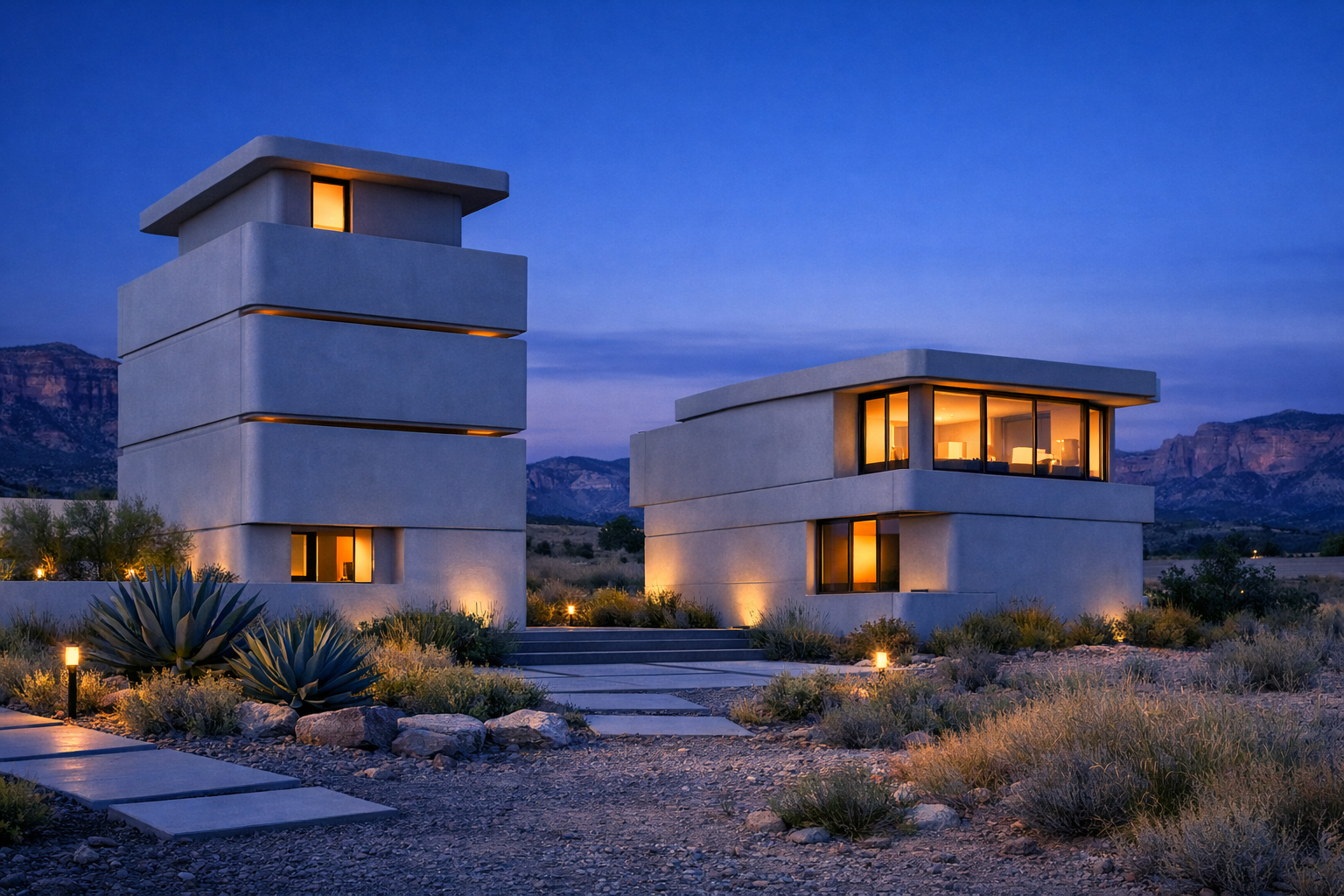
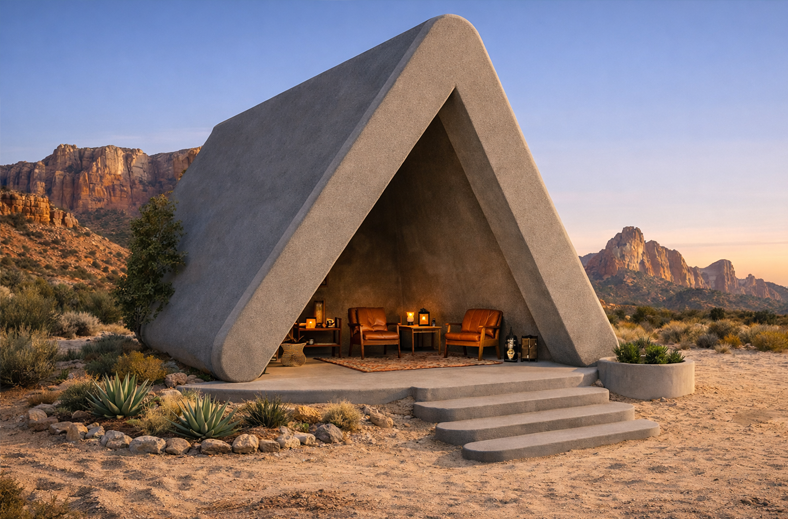
Each Refuge model is shaped by the same curves and proportions, a gentle streamline geometry that can stand alone or expand into a community. It forms a coherent family, with each model taking its own posture while keeping the same geometry.

See the Models

Refuge

When the world pushes,

your refuge pushes back.

Because outcomes shouldn’t hinge on luck. The cement ready Refuge series of homes protect against the failures of the world around it, even the financial ones. These small, steady homes install in weeks, exceed residential code, stop fast‑moving objects, and take clean add‑ons when life needs more room.


What Refuge Is

Refuge is the upstream design lane of the Steel Tied system. It defines the small, steady home forms shaped for disaster resistance, and sets the geometry that Safe & Sound later fabricates as Refuge shells. Refuge is where direction, site, and outcomes are aligned before any build begins.

Refuge is a pre‑engineered shell, not a prefab kit. The steps below show how it moves from upstream fabrication to your finished site.

How It Works

A Refuge shell is built upstream in controlled conditions, delivered as a resolved structure, and finished on your site by your local crew.

1. Fabrication

Each form is built in the shop before it reaches your project. Steel is shaped and tied into a rigid, crane‑ready shell with all geometry fixed. Disciplined rebar spacing increases ductility and distributes seismic load. Your contractor sets it, trues it, and ties it into the footing before the cement coat goes on.

Tied Steel Form

Rebar tied to the footing sets the posture and locks the geometry for load transfer.

Shaped Mesh

Mesh panels define the final form and secure the foam core.

Cement Shell

Two sides of performance‑mix cement bind everything into a single structure.

2. Delivery

Shells can be picked up by flatbed or delivered to your site. Each arrives balanced and crane‑ready. Larger units ship in aligned sections; smaller forms arrive as a single continuous shell.

  • Balanced: Geometry fixed, lift points set for safe handling.
  • Resolved: Mesh form complete with all contours established.
  • Ready: Openings framed for your crew to align to window elevations.

3. Placement & Finish

Your builder prepares the footing, aligns the shell, ties it in, seals it, and completes the interior. Safe & Sound handles fabrication and placement; your crew handles the rest.

Lowered to Footing

The shell is set, aligned, and tied into the rebar grid by your contractor.

Tied and Trued

The form is trued to final position. Sills and openings are framed before cement.

Cemented and Trowled

Your contractor ensures conduits are firm and tapped off before cementing.

Weather‑Sealed

Your builder waterproofs the cement roof and exterior to create a dry envelope.

Interior Work Begins

Once sealed, your builder moves inside: utilities, fixtures, finishes.

Architecture & Structural Form
Small‑Site Geometry
Reinforced Envelope
Tied‑Steel + Mesh
Shell Assembly
Backyard‑Scale Units
Pre‑Run Systems
Stairs · HVAC Chase · Conduit
Delivery + Placement
Ready for Site Work

Builder Notes

  • For delivery, placement, and on-site coordination, the Safe & Sound crew handles the full delivery sequence. Safe & Sound — Builder of Record
  • Window and door openings are cast into the shell. Your builder sets sill heights, level lines, and framing so units fit without cutting into the structure.
  • A thin brown coat can be used as a stucco base, or waterproofing can be added before siding. Builders should apply a foundation coat for sub-grade moisture protection.
  • Interior finishes vary. Setting-type drywall mud (“hot plaster”) is common. Builders must wait until the roof is sealed before installing interior materials.
  • Conduits placed in the shell are field-verified. Builders check alignment after shipping and keep runs clear during concrete or finish steps.
  • For more tied‑steel forms, see other Ribcast forms.

Begin Your Build

Every Refuge begins with a simple request. Steel Tied returns with geometry and structural outline.

Start Your Geometry Request

Structure

Refuge is a rib‑cast shell: tied steel, shaped mesh, and two sides of performance‑mix cement wrapped around a foam core. The geometry is fixed before it reaches your site, and the tied‑steel mesh locks the posture into the footing grid. This creates a small, steady, impact‑ready envelope that resists deformation and weather.

The shell arrives as a resolved form. Your builder handles footing, sill framing, utilities, waterproofing, and interior finishes. Safe & Sound handles fabrication and placement; your local crew completes the build.

SteelTied.com
Refuge / Ribcast
Design, Narrative & Client Guidance
801‑600‑2300 · Primary point of contact
  • Ribcast Geometry
  • Disaster‑aware planning
  • Small‑site forms
Safe & Sound
Fabricator + Builder
  • House shells
  • Tied‑steel + mesh work
  • Controlled‑condition builds

Refuge Models

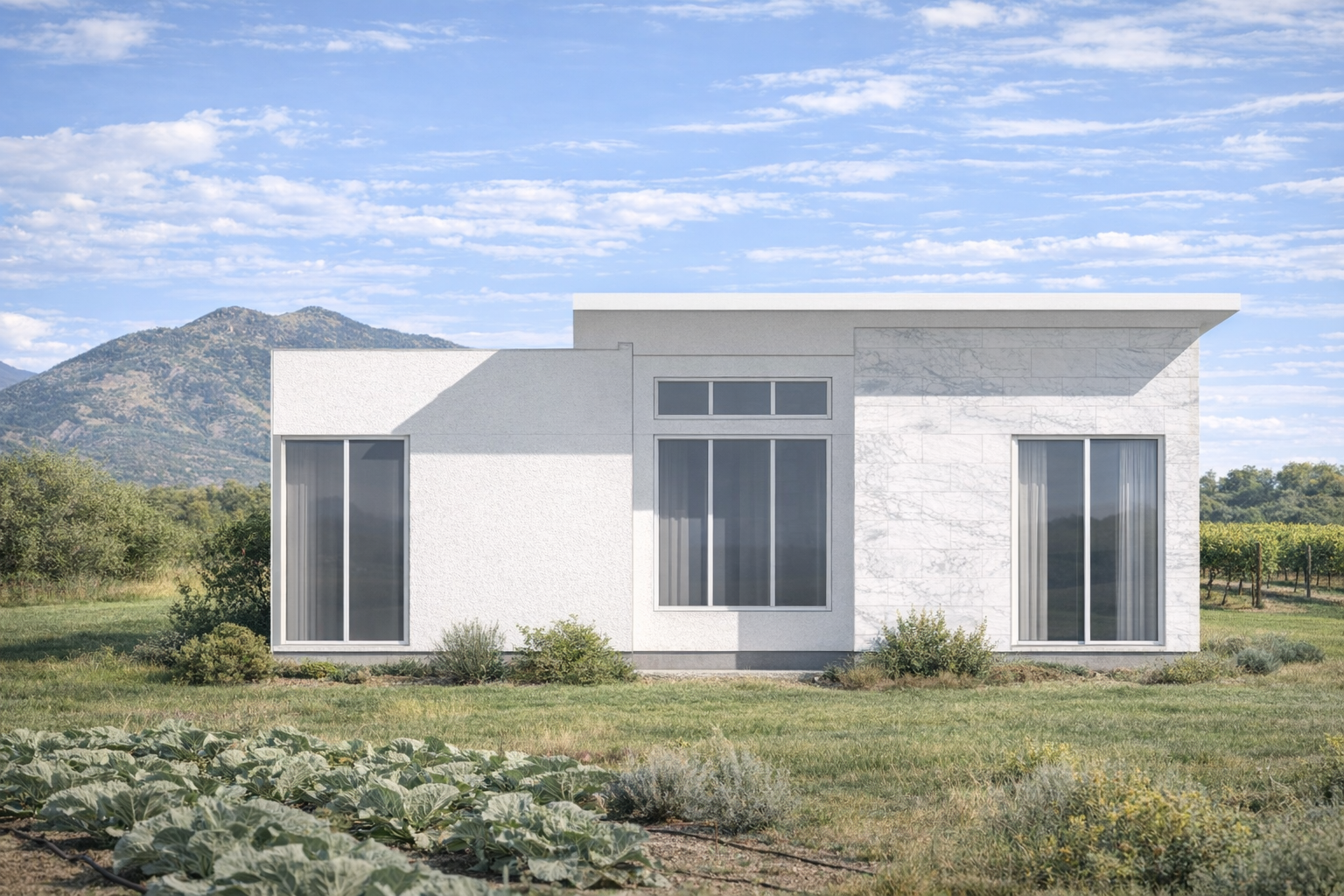
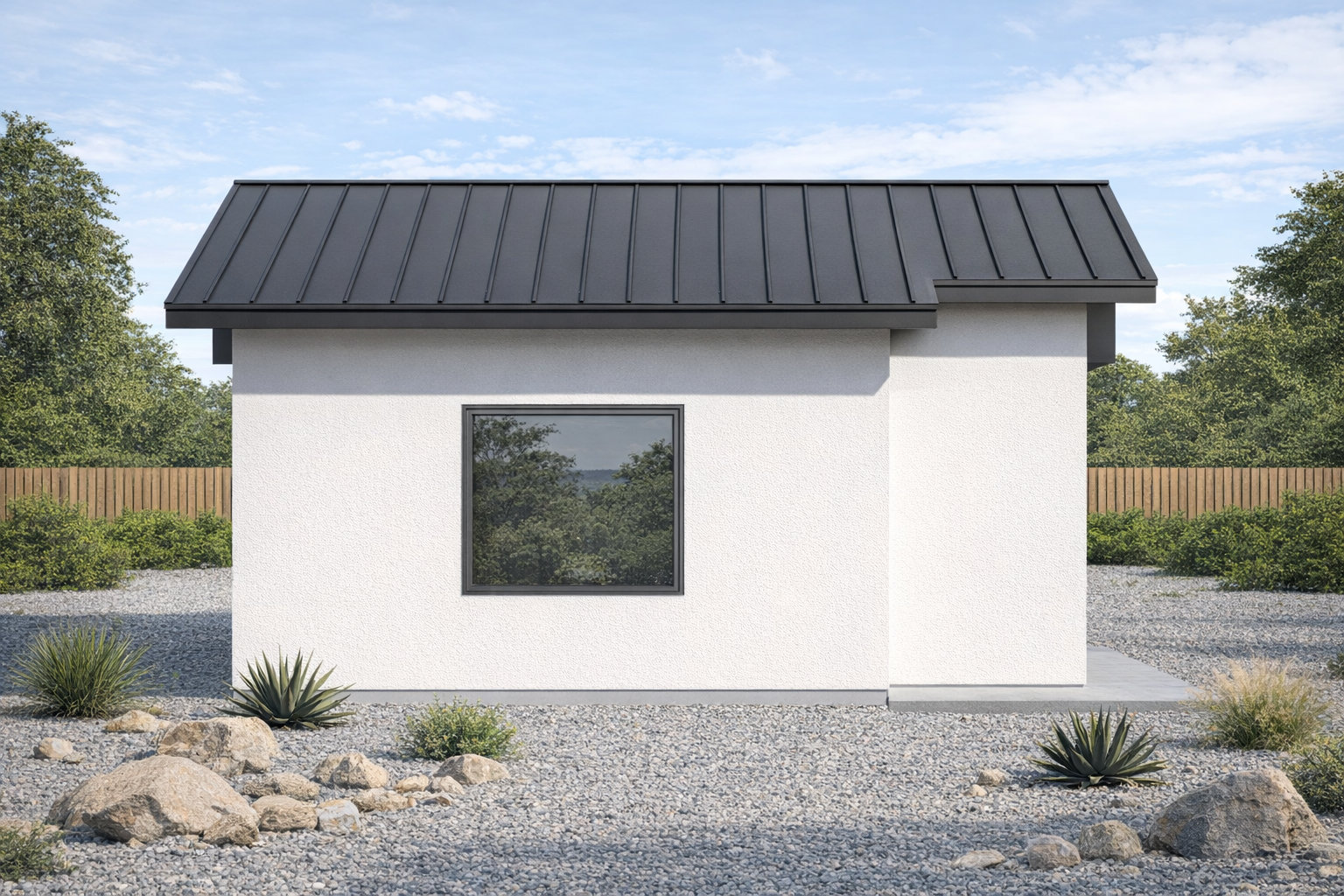
Refuge homes share the tied structure of ribcast and take their own posture on the land. New homes join the family as the geometry evolves.

Bastion

Upright curved corners. A vertical posture that reads steady and watchful. The home that stands its ground.

Stathald

Low, horizon‑open corners. A grounded stance with long sightlines. The home that settles into the land.

Vowgarda

Mixed geometry. Vertical where posture matters. Low where the line needs to stay calm and watchful.

See Available ADU Models

A family of tied‑structure homes, each shaped for its own place.

Every Refuge begins with a simple outline. Send your site, your needs,
and your timeline.

Additional Forms

Beyond the core Refuge models, additional forms extend the system into multi‑directional shells, connector units, and site‑specific geometries. These include offset entries, extended rooflines, and shells shaped for slope or tight setbacks.

Each additional form uses the same upstream fabrication process and arrives ready for placement, tying, and finishing by you or your builder.

Explore Additional Forms

Safe & Sound ADU Catalog

Safe & Sound designed casita shells in their own style. This catalog is your direct path to order a backyard‑scale unit, accessory structure, or multi‑room shell built on the same tied‑steel and cement system.

Each unit is fabricated in controlled conditions, delivered as a resolved form, and placed by the Safe & Sound crew. Your builder completes the interior and site work.

Roles on This Site

This site separates the lanes clearly so you always know which discipline you’re in and what happens next.

  • Refuge — Client guidance, build & crane coordination, design, posture, and shell definition.
  • Safe & Sound — fabrication, delivery, placement, and shell handling.
  • Your Builder — footing, utilities, waterproofing, interior finishes.
  • You — Choose the site, the timeline, and guide the build toward the life you want inside it.

Refuge designs the forms. Safe & Sound fabricates the shell. Your builder completes the rest. Footing, roof, cement, interior and site work...

Why Refuge Exists

Refuge exists to give small sites a steady, disaster‑resistant structure that can be placed quickly and finished by local crews. It removes guesswork, reduces on‑site variables, and delivers a geometry that holds its posture from the moment it arrives.

The goal is simple: small, strong, predictable homes that fit where slow, loud conventional framing struggles.

With upgraded windows, a Refuge shell can also serve as a secure room. The tied steel geometry and cement coat already stop fast‑moving objects; higher‑spec glazing brings the openings to the same level of protection.

About Refuge

Refuge is the shell discipline of the Steel Tied system. It defines the forms, establishes the geometry, and ensures every unit arrives shaped, aligned, and ready for your builder to finish.

Refuge is not a builder. It is the upstream design lane that ensures clarity, steadiness, and predictable outcomes before any site work begins.

Every Refuge begins with a simple request. Send your site, your goals, and your constraints. Steel Tied returns with geometry, structural outline, and the arrival sequence. We will review the information and confirm the next steps.

Start a Request

Read how the system is used...

If you’re comparing Refuge to a conventional stick build, here is the logic behind the numbers.

Tap to continue
It often gives you a way to use the equity you already have
— or keep someone close
— without taking on a mortgage.
Use what you already own to make room.
Keep family close without losing your house.
Rent it out when you need extra income.
Predictability is a design choice.
An ADU turns land equity into an asset.
Outlast renter behavior.
If needed, the building helps cover its own cost.
A structure that outlasts renter behavior.
Built for long stay project teams.
Part of the new long stay economy.
Impact‑ready geometry.
Fire‑aware steel‑meshed shell.
Stable thermal core.
Ballistic‑tolerant skin.
Seismic control through rebar spacing.
Weatherproof in real conditions.
Termite‑indifferent materials.
Fast to set.
Repairable, not disposable.
Capability that stays visible.

Refuge System

The forces a Refuge is built to resist, and how it stays true under pressure.
True when the world turns unstable.

  • Impact‑ready geometry. A tied frame that holds its line when struck and resists deformation under load.
  • Fire‑aware steel shell. Heat may scar the surface, but the structure stays repairable.
  • Stable thermal core. The insulated mesh slows temperature transfer and keeps interior conditions steady.
  • Ballistic‑tolerant skin. Faster medium‑caliber impacts deform without compromising the load paths.
  • Space the rebar correctly to achieve seismic control. Tied rebar at disciplined intervals locks the form into a stable, unified frame.
  • Weatherproof in real conditions. High wind, freeze–thaw cycles, and mountain dryness do not change the form.
  • Termite‑indifferent materials. Steel, cement, and mesh do not attract insects and do not decay.
  • Fast to set. Once the footing is ready, the form can be placed and cemented quickly by a local crew.
  • Repairable, not disposable. Flooding or surface damage usually means paint and patching, not replacement.
  • Structure outlasts behavior. Fixtures may fail or be misused, but the tied steel form remains unchanged.
  • Capability that stays visible. A Refuge form stores strength in the real world and remains yours across seasons.